
Advocating for Kurdish Leadership and Political Initiatives

The Kurdish people, a distinct ethnic group with a rich cultural heritage, have long sought recognition and autonomy in the Middle East. Despite facing numerous challenges, the Kurdish community has demonstrated resilience and a commitment to self-determination. This blog post explores the importance of advocating for Kurdish leadership and political initiatives, highlighting the potential benefits for the Kurdish people and the broader region.
Understanding the Kurdish Identity
The Kurdish identity is deeply rooted in history, language, and culture. The Kurds primarily inhabit regions across Turkey, Iraq, Iran, and Syria, often referred to as "Kurdistan." Despite their significant population—estimated at around 30 million—the Kurds have faced systemic marginalization and oppression.
Cultural Heritage
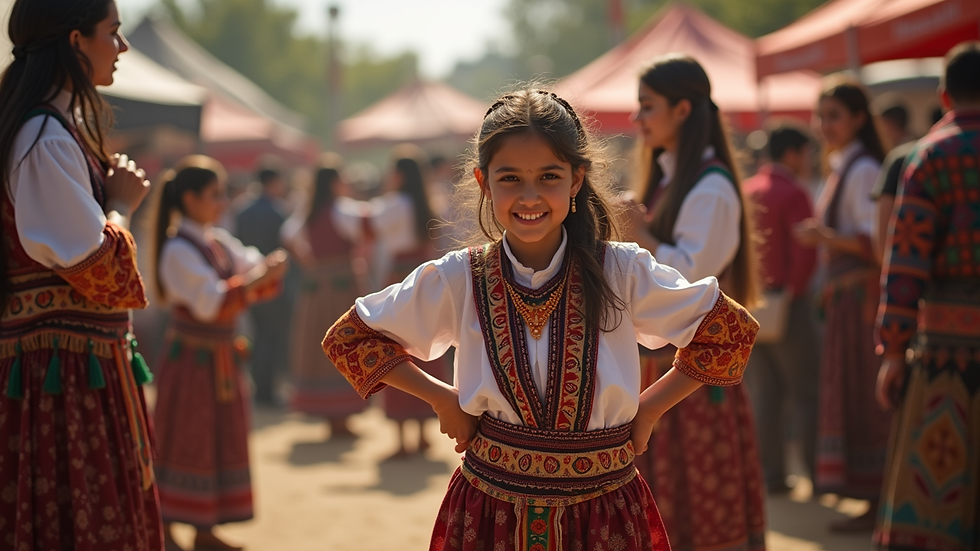
Kurdish culture is characterized by its unique language, music, dance, and traditions. The Kurdish language, belonging to the Iranian branch of the Indo-European family, has several dialects, including Kurmanji and Sorani. Traditional Kurdish music and dance play a vital role in community gatherings, reflecting the rich history and values of the Kurdish people.
Historical Context
The struggle for Kurdish autonomy has a long history, marked by various uprisings and political movements. The aftermath of World War I and the subsequent treaties, particularly the Treaty of Sèvres in 1920, promised the Kurds a nation-state. However, these promises were largely unfulfilled, leading to decades of conflict and repression.
The Current Political Landscape
Today, the political landscape for the Kurds is complex and varies significantly across different countries. In Iraq, the Kurdistan Regional Government (KRG) has established a degree of autonomy, while in Turkey, the Kurdish population continues to face significant challenges, including political repression and violence.
Kurdish Political Movements
Kurdish political movements have emerged as a response to oppression and a desire for self-determination. The Kurdistan Workers' Party (PKK) in Turkey has been at the forefront of the struggle for Kurdish rights, advocating for greater autonomy and cultural recognition. In Iraq, the KRG has successfully established a semi-autonomous region, demonstrating the potential for Kurdish leadership in governance.
International Support
International support for Kurdish political initiatives has been crucial in recent years. The fight against ISIS in Iraq and Syria highlighted the strategic importance of Kurdish forces, leading to increased recognition and support from Western nations. This support has opened doors for Kurdish leaders to advocate for their rights on a global stage.
The Importance of Kurdish Leadership
Advocating for Kurdish leadership is essential for several reasons:
Empowerment of the Kurdish People
Strong Kurdish leadership can empower the community, fostering a sense of identity and unity. By promoting cultural pride and political engagement, Kurdish leaders can inspire younger generations to take an active role in shaping their future.
Political Stability in the Region
A stable and autonomous Kurdish region can contribute to overall political stability in the Middle East. By addressing the grievances of the Kurdish population, governments can reduce tensions and foster cooperation among different ethnic groups.
Economic Development
Kurdish leadership can also drive economic development in the region. With access to natural resources, particularly oil, the Kurdish region has the potential to become an economic powerhouse. Effective governance can attract investment and create job opportunities, benefiting both the Kurdish population and neighboring communities.
Challenges Facing Kurdish Leadership
Despite the potential benefits of Kurdish leadership, several challenges persist:
Internal Divisions
The Kurdish community is not monolithic; it comprises various political parties and factions with differing ideologies and goals. These internal divisions can hinder the effectiveness of Kurdish leadership and create obstacles to achieving a unified political agenda.
Regional Hostility
The geopolitical landscape in the Middle East is fraught with tension, and Kurdish aspirations for autonomy often face opposition from neighboring countries. Governments in Turkey, Iran, and Syria view Kurdish independence as a threat to their territorial integrity, leading to military confrontations and political repression.
Limited International Support
While there has been increased recognition of Kurdish rights, international support remains inconsistent. Political dynamics can shift rapidly, and Kurdish leaders must navigate complex relationships with global powers to secure ongoing support for their initiatives.
Strategies for Advancing Kurdish Political Initiatives
To overcome these challenges, Kurdish leaders can adopt several strategies:
Building Alliances
Forming alliances with other ethnic and political groups can strengthen the Kurdish position. By fostering cooperation and dialogue, Kurdish leaders can create a broader coalition that advocates for shared interests and goals.
Engaging in Diplomacy
Kurdish leaders should actively engage in diplomatic efforts to gain international recognition and support. This includes participating in international forums, building relationships with foreign governments, and leveraging media to raise awareness of Kurdish issues.
Promoting Education and Awareness
Investing in education and awareness campaigns can empower the Kurdish population and promote a sense of identity. By educating younger generations about their history and rights, Kurdish leaders can cultivate a politically engaged citizenry.
The Role of Women in Kurdish Leadership
Women have played a crucial role in the Kurdish struggle for rights and autonomy. Kurdish women have been at the forefront of political movements, often leading initiatives for social change and gender equality.
Empowering Women
Promoting women's leadership within Kurdish political initiatives is essential for fostering inclusive governance. By ensuring that women have a seat at the table, Kurdish leaders can create policies that address the unique challenges faced by women in the community.
Examples of Women Leaders
Several prominent Kurdish women have emerged as leaders in the political arena. For instance, Leyla Zana, a former member of the Turkish parliament, has been a vocal advocate for Kurdish rights. Her efforts have inspired many women to engage in politics and activism.
Conclusion
Advocating for Kurdish leadership and political initiatives is crucial for the empowerment of the Kurdish people and the stability of the Middle East. By promoting unity, engaging in diplomacy, and fostering inclusive governance, Kurdish leaders can pave the way for a brighter future. The journey toward self-determination is fraught with challenges, but with strong leadership and international support, the Kurdish community can achieve its aspirations for autonomy and recognition.
As we reflect on the importance of Kurdish leadership, it is essential to support initiatives that promote their rights and empower their voices. The future of the Kurdish people depends on their ability to advocate for themselves and engage with the broader international community.
Comments